The Last Thursday Club: The Creator Shift
Posted on Wednesday 03 June 2026 | Connie Hawker - TV+ and Creators Lead, IAB UK
The creator economy is maturing rapidly, but the processes, standards and shared understanding between creators and advertisers haven't always kept up
It was often considered a side channel: a few sponsored posts, a line item near the bottom of the media plan. Now it is a core part of how brands build relevance, trust and authenticity, particularly in an age of AI generated content, where creators' personalities offer a human counterweight that generated content alone can't replicate.
At May's Last Thursday Club, we celebrated the launch of the IAB UK Creator Qualification: a new, industry-backed training programme designed to help creators navigate advertising rules, build stronger brand partnerships and protect the trust their audiences place in them.
In a sold-out room of agencies, brands and creators, the panel - Meta's Sophie Cartwright, TikTok's Sarah van den Eertwegh, The Goat Agency's Jack Edwards and IAB UK's own Beth Rogers - explored the what and why now of the Creator Qualification.
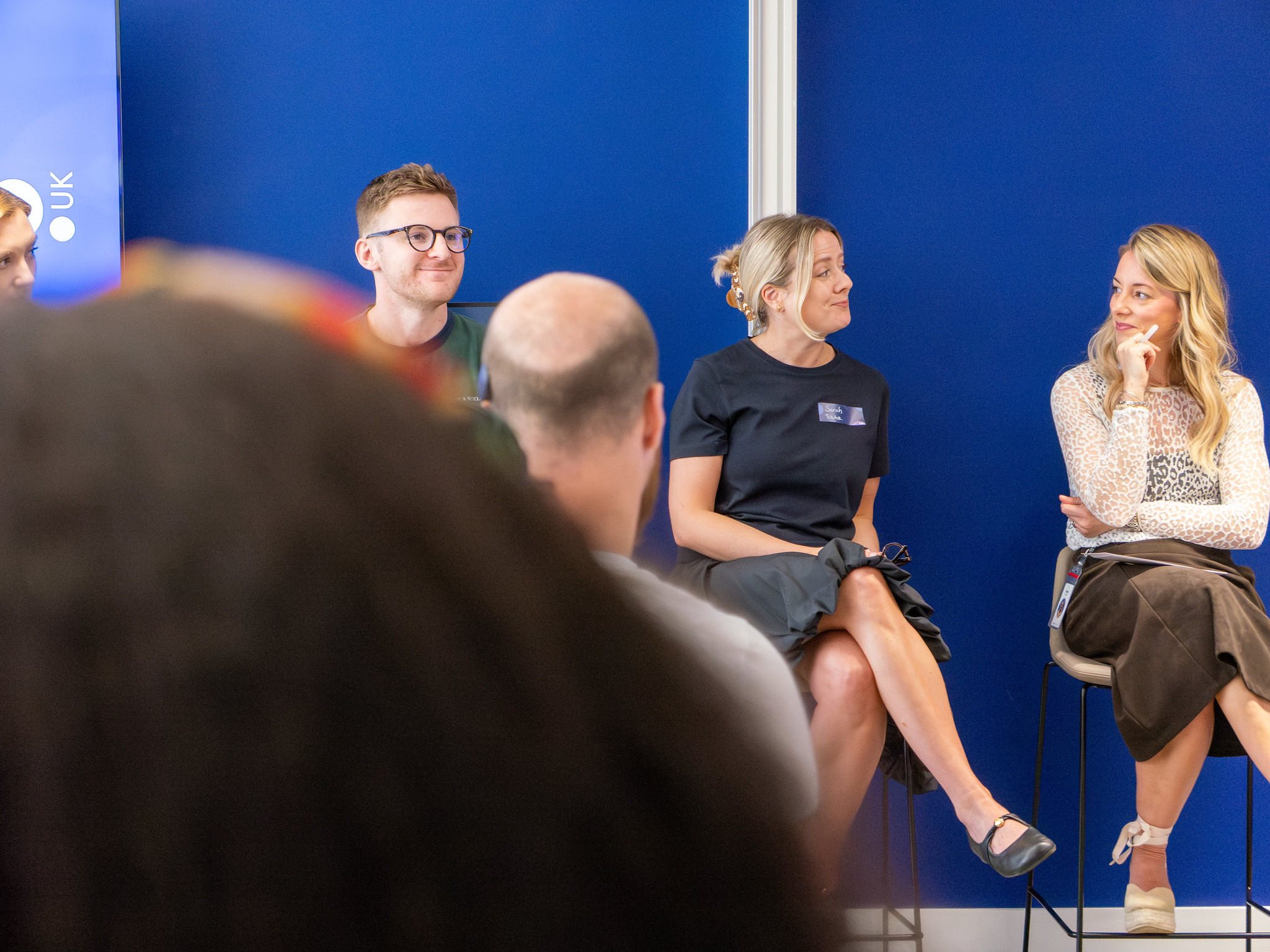
From side channel to core media
The shift the panel kept returning to was about the increasing professionalisation of creator marketing compared to five years ago. Creators have always had reach; what's changing is the infrastructure around how that reach is bought, measured and trusted.
Jack Edwards of The Goat Agency put the supply side in commercial terms. Creators, he argued, should think of themselves as independent media networks, understanding their audience as proprietary data, offering guaranteed deliverables and proving return on investment. It's a long way from the early influencer era, when the question was clicks and views and the relationship rarely outlived a single campaign.
Sophie Cartwright of Meta described the demand side moving in the same direction. Brands are increasingly looking for longer-term, strategic creators rather than one-off activations, and the conversation inside agencies and brand teams has shifted to harder questions: what does effectiveness look like, how is it measured, and how is the creator ecosystem itself becoming more professional. The numbers explain the urgency: 52% of shoppers say creators influence their purchasing decisions, but the harder work is building the partnership models, measurement tools and creator marketplaces that let brands act on that influence with confidence.
For TikTok’s van den Eertwegh, the consequence is that creator content now spans the full funnel. In the past the creator aspect of any marketing strategy was a top-of-funnel nice-to-have, but she’s increasingly seeing it being treated as a strategic layer on which the rest of the campaign is built. Part of the reason for this, she argued, is that creator content still reads as natural and authentic in a way branded content rarely can.
And this can only continue to work if both creators and agencies treat the relationship as something more than transactional. Or as the panel put it more bluntly: creators want to be brought in earlier, and the industry needs to come together to meet them there.
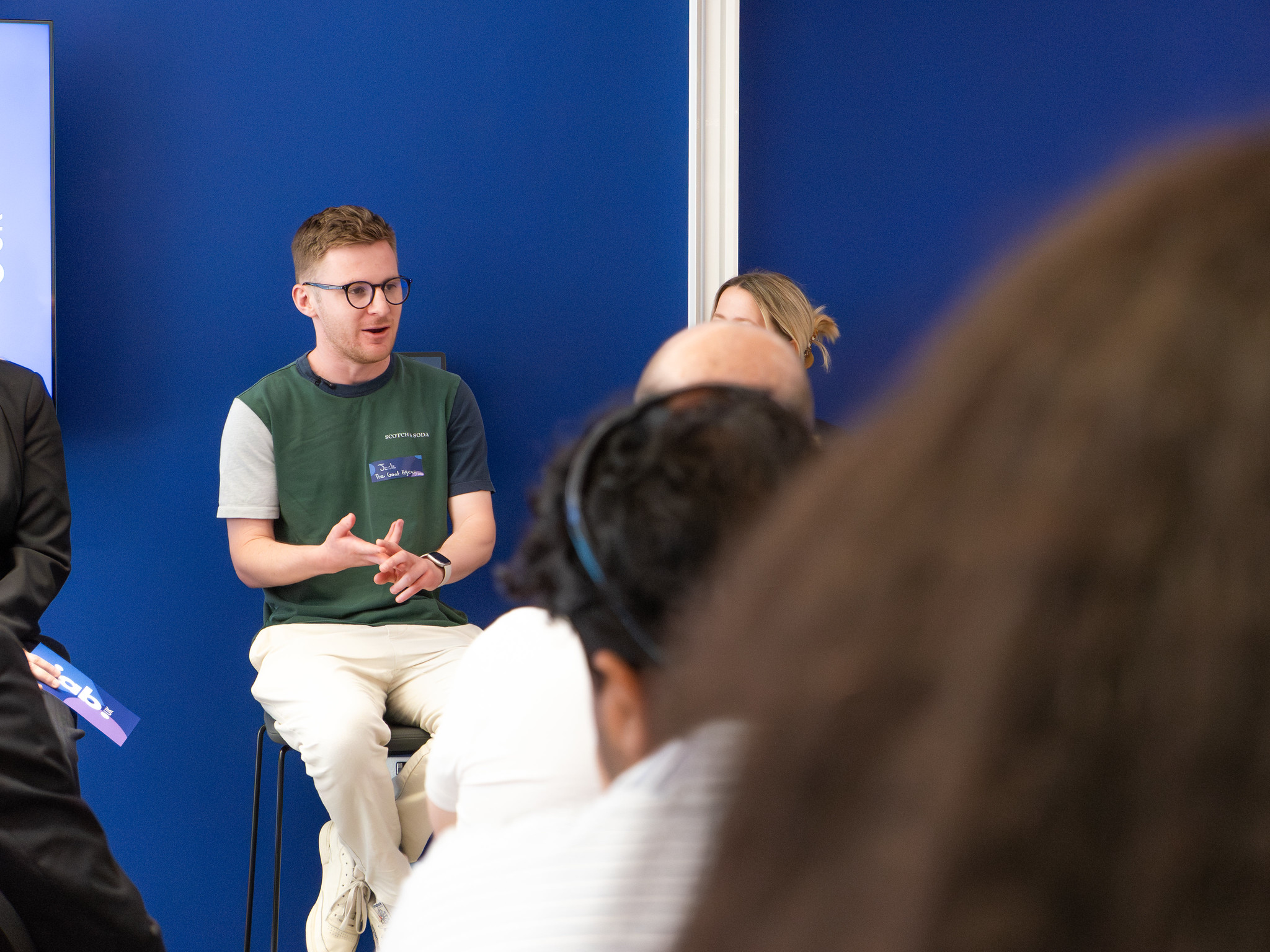
Compliance as a beautiful constraint
If one phrase captured the spirit of the launch, it was the idea of compliance as a beautiful constraint. Cartwright borrowed the framing from the business book of the same name by Adam Morgan and Mark Barden, whose central argument is that the most creative work often emerges not in the absence of limits, but in disciplined response to them.
For creator marketing, that puts the conversation in a different perspective. The core CAP Code rules, clear ad disclosure, and the principle that advertising be legal, decent, honest and truthful, are not a tax on creativity. They can even allow it to flourish with trust intact.
The evidence supports it: Cartwright cited Influencer Marketing Trade Body research showing posts carrying #ad saw no negative effect on algorithm performance, comments or views, and in some cases the opposite. Van den Eertwegh echoed the point, saying the idea that disclosure damages reach belongs to an earlier era of unclear, inconsistently applied rules.
That said, principle and practice are still some distance apart. Rogers pointed to ASA research showing eight in ten consumers want clear disclosure, while only 57% of in-scope ads disclose accurately. Closing that gap, she argued, is a creator responsibility and a political imperative.
With the social media ban consultation underway and creators now visible enough to be invited to Downing Street, self-regulation is how the industry demonstrates to government that it can hold itself to professional standards, and earns the right to keep regulating itself rather than being regulated from the outside.
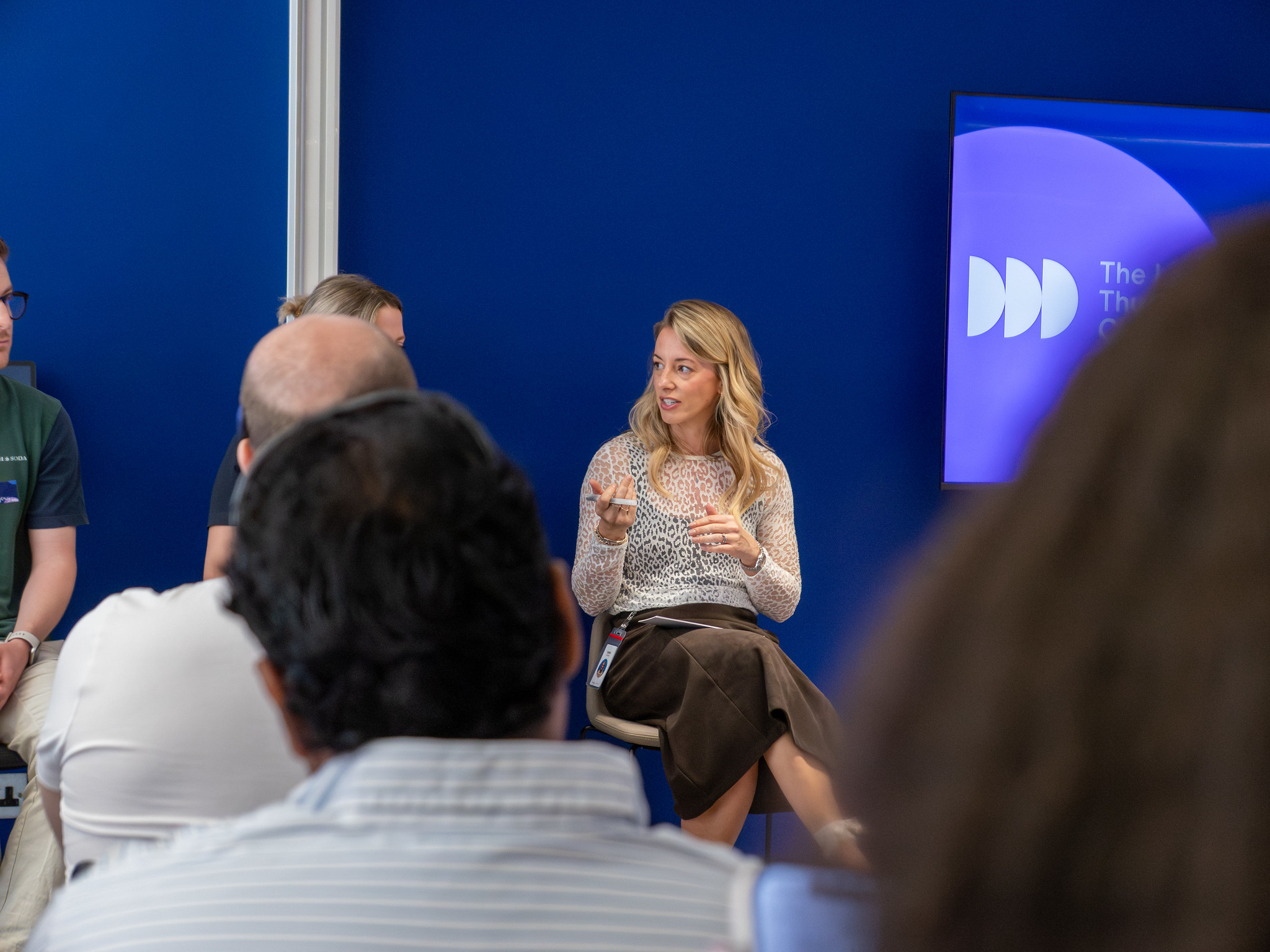
What the creators told the researchers
The most grounding contribution came from focus-group research presented by Dr Alexandros Antoniou of the University of Essex, with Emily Roberts of the Responsible Marketing Advisory. Creators, Antoniou noted, have moved from the edges to the mainstream, now media partners, ambassadors and, increasingly, commercial publishers.
Their findings from the focus group were that creators did not reject compliance, and they valued guidance most when it was practical and operational. Antoniou likened the creator qualification to translating legal complexity into a useful satnav.
The early signs were promising, he said, though he was careful not to overclaim. One finding pointed outward: as a focus-group participant noted, the qualification works as a benchmark for companies too, since many traditional marketers still neither understand nor trust the creator space.
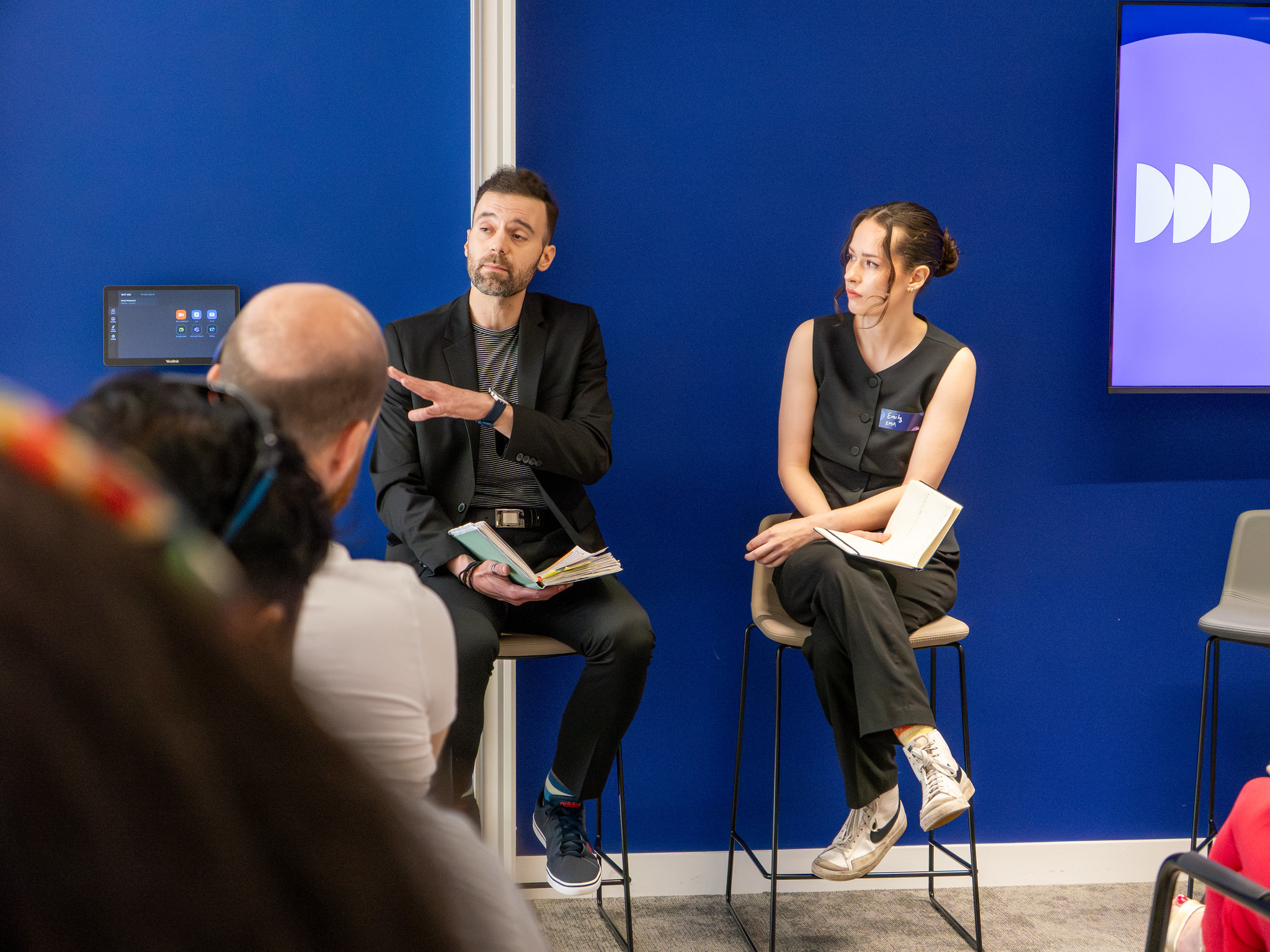
Shared responsibility
Asked what would define the next phase, the panel converged on shared responsibility, infrastructure from platforms, long-term creator portfolios from agencies, and from creators a deeper grasp of the business side without losing the authenticity that makes their work resonate.
For van den Eertwegh, that future is also one in which the ecosystem becomes more navigable for creators themselves, easier discovery, smoother payments, less friction in finding the right partners, and where the industry takes creator wellbeing seriously.
All agreed that the Creator Qualification is a strong foundation that serves the here and now, and one the industry will keep building on as the rules continue to evolve.
Related content
Creators aren't a channel. They're becoming the media
Learn more
Retail Media Growth Summit 2026: From retail media to commerce media
Learn more
AI Growth Summit 2026: Highlights
Learn more
IAB UK Launches UK's First Industry-Backed Creator Qualification as 84% of Brands Increase Investment in Creator Partnerships
Learn more
State of AI in Advertising: Charting the Shift from Automation to Autonomy
Explore how AI is reshaping advertising, from autonomous systems to changing consumer discovery, with key findings, deeper analysis and latest industry commentary in this report