Leadership Summit 2026 Highlights
Posted on Friday 06 March 2026 | Beatriz Vieira - Head of Comms, IAB UK
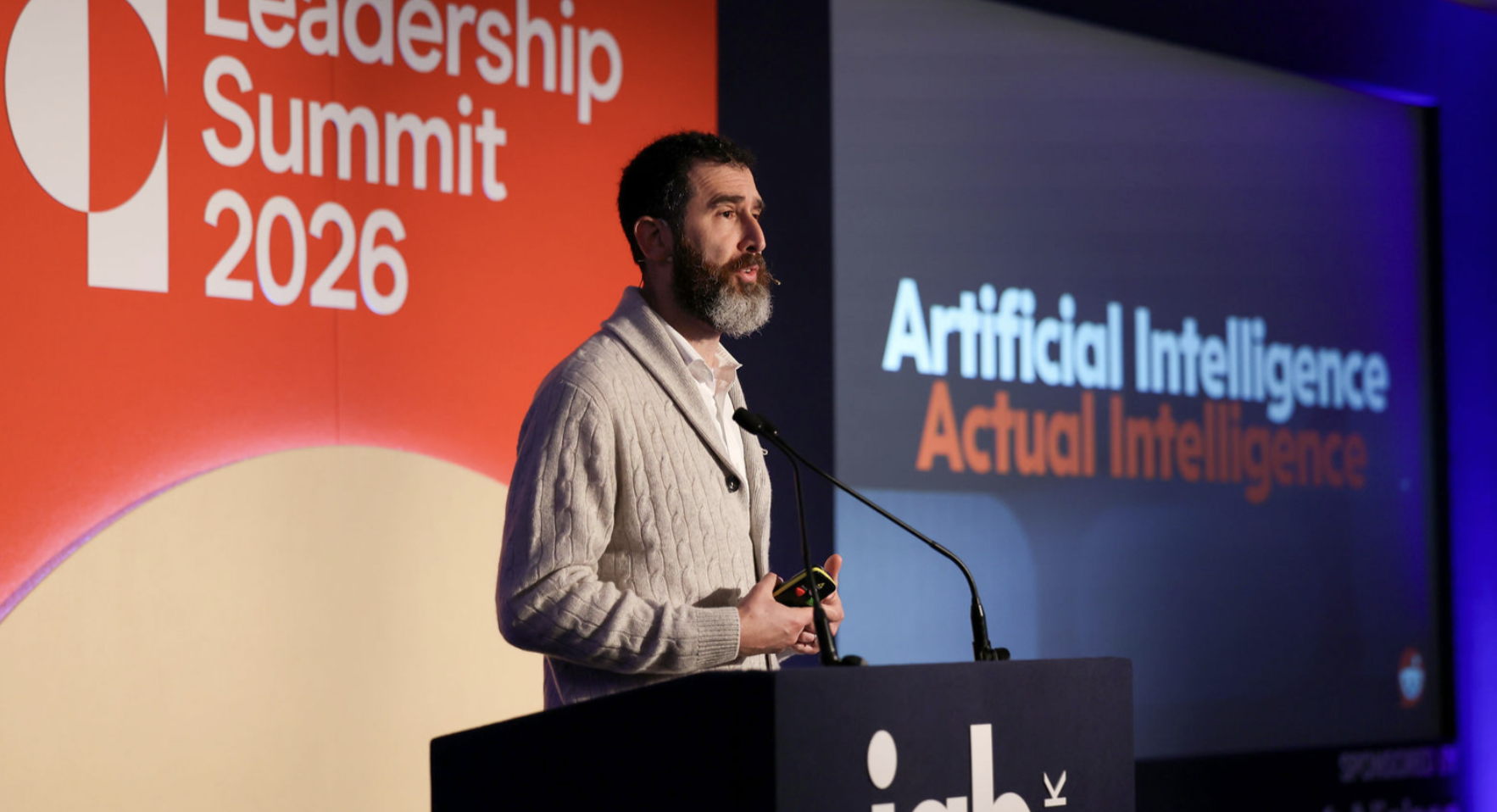
Leadership Summit 2026 explored leadership in an era shaped by AI, uncertainty and rapid change, and what it looks like in practice. Across both days, one theme stood out: growth and innovation matter, but trust, clarity, empathy and human judgement will define what comes next
Day 1
Leadership Summit 2026 opened with a strong sense of momentum, and a clear challenge to the industry. Across the first day at Sopwell House, speakers returned to a common theme: in a period defined by AI, uncertainty and shifting expectations, growth alone is not enough. Leadership, trust and clarity will determine what comes next.
After welcome remarks from James Chandler, Chief Strategy Office at IAB UK, the day moved through big-picture industry questions, deeply personal leadership stories and a series of sessions exploring how technology, media and geopolitics are reshaping the environment leaders are operating in.
Growth, trust and the need to choose a direction
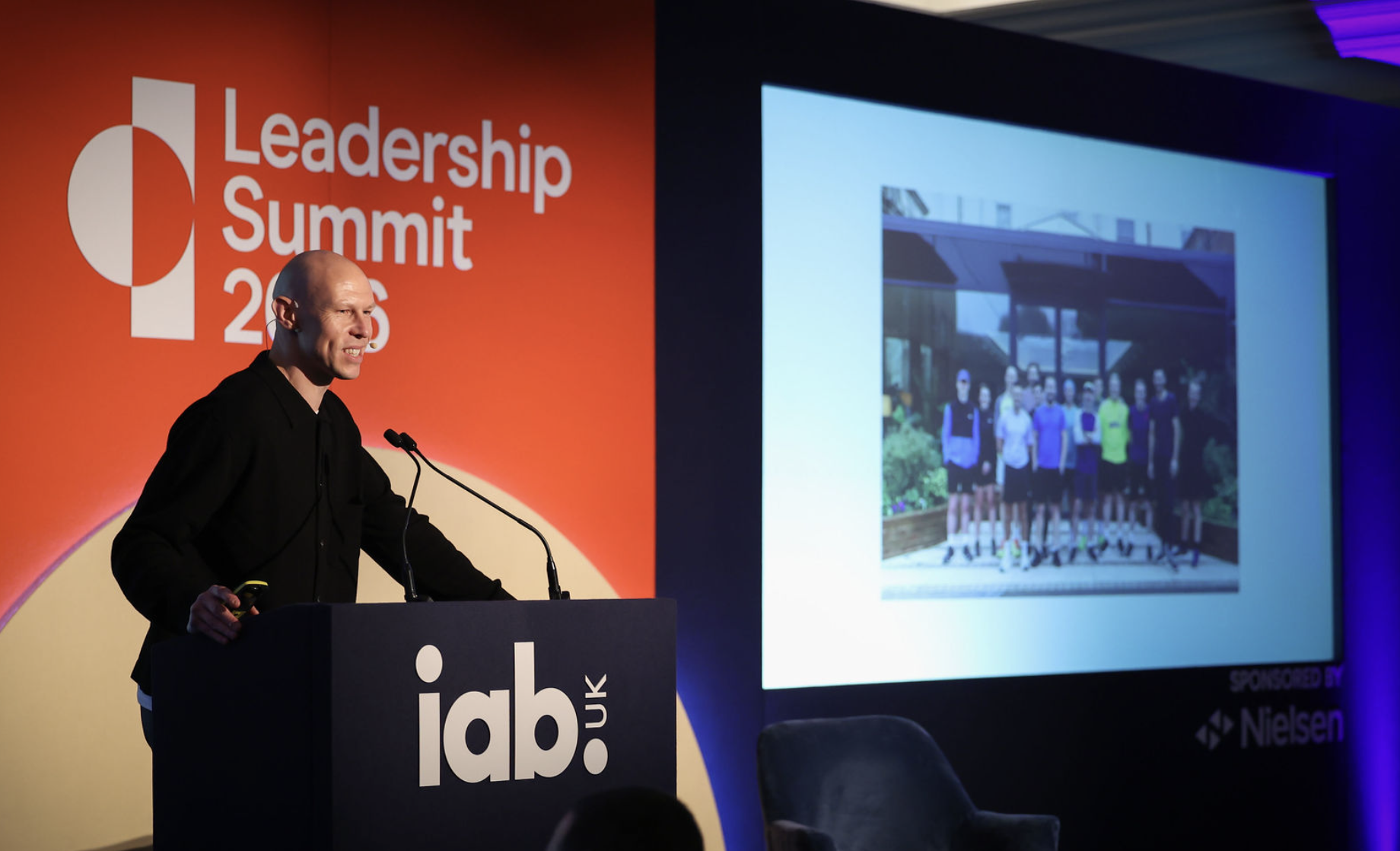
Opening the summit, Jon Mew, CEO at IAB UK, made the case for digital advertising as one of the UK’s major growth engines, with £40bn invested, more than £100bn generated for the economy and 1.7 million jobs supported. But his central point was that growth does not remove responsibility; it increases it.
Mew argued that industries rarely decline because they lack talent, but because they drift, in standards, measurement and trust. His call to the room was to resist that drift by focusing on honesty, proof and trust: being more honest about where money flows and the incentives it creates, moving the conversation beyond proxy metrics and towards outcomes, and acting collectively to strengthen trust before structural risks become bigger problems.
The human edge in an age of acceleration
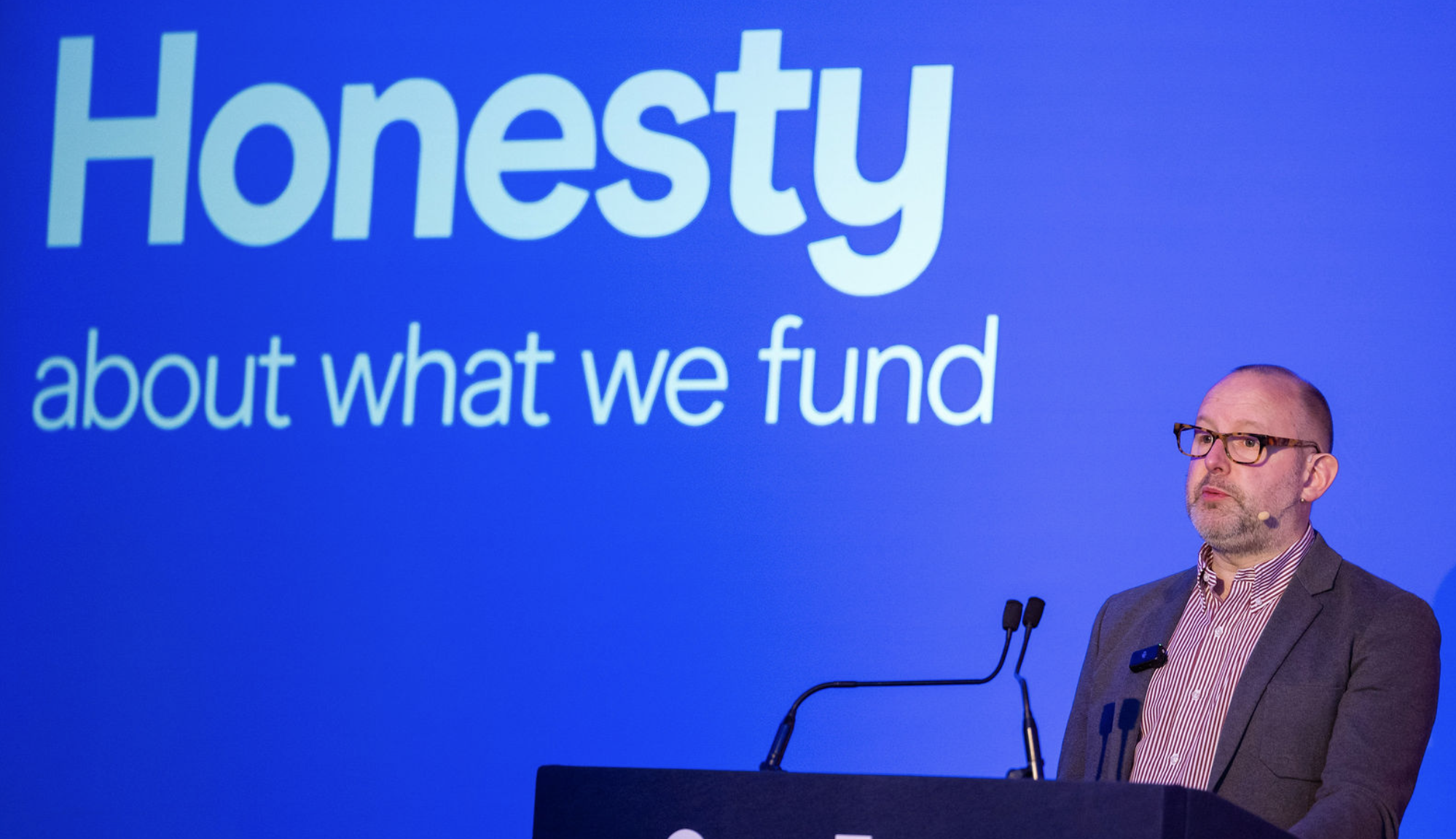
That theme of leadership continued in Amelia Torode’s session on the human edge in the age of acceleration. Her view was that change already feels fast, but in many ways, it will never feel this slow again.
Drawing on leadership theory, literature and organisational thinking, Torode explored the difference between information, knowledge and wisdom, arguing that while organisations have no shortage of information, what leaders increasingly need to provide is meaning. In uncertain times, leadership is not about having every answer, but about helping people make sense of what is happening, framing challenges clearly and setting the standards by which decisions are judged.
Her session offered one of the day’s clearest reminders that, even in an AI-shaped world, the human role of leadership remains essential.
AI’s uneven impact on media
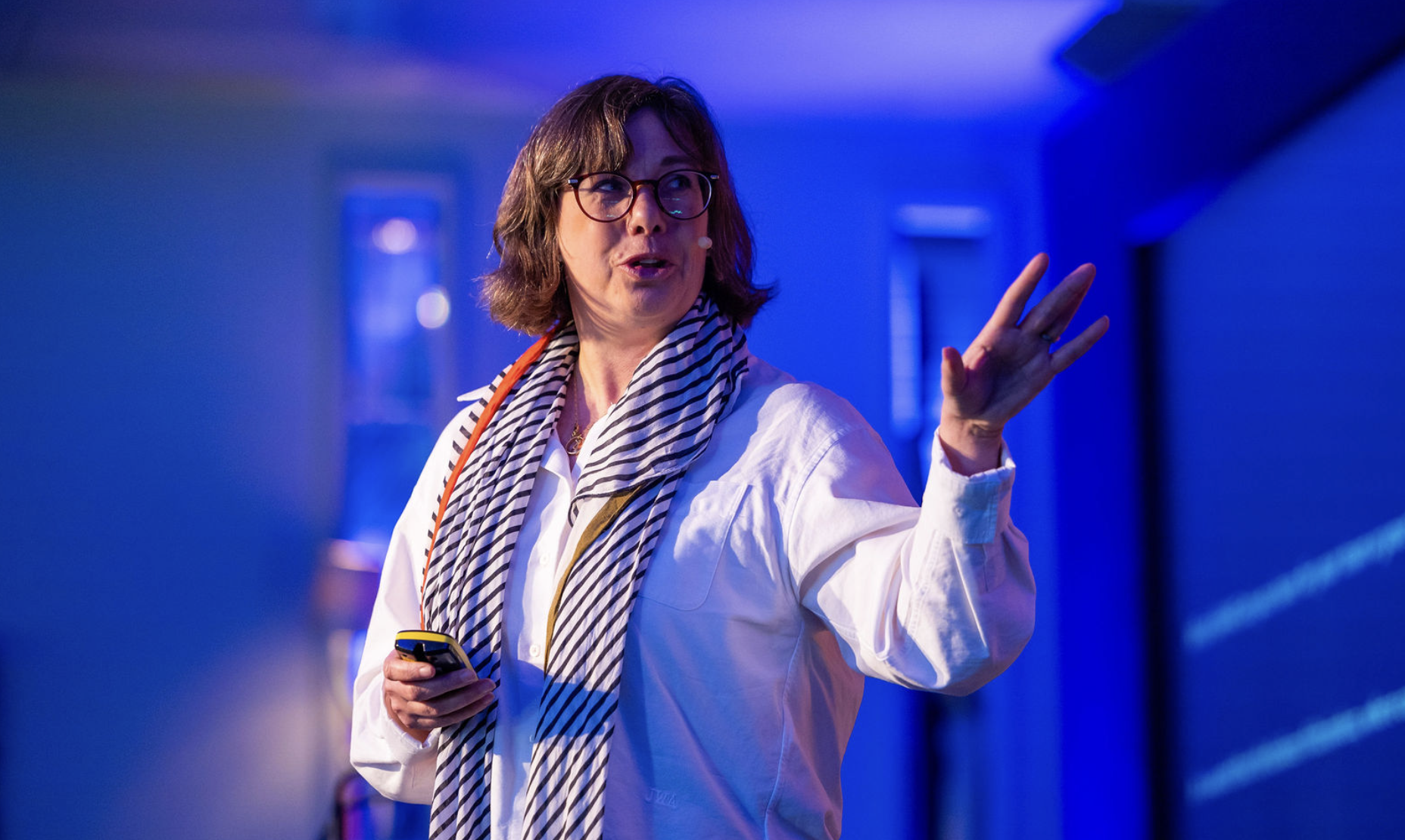
AI was a major thread throughout the agenda and Jeff Youssef, Partner and Head of CMT UK at Oliver Wyman, brought a market-wide perspective on what that change could mean.
His view was not that AI will affect one part of media, but that it is already beginning to reshape the whole value chain, from operations and content creation to audience experience and advertising revenue. At the same time, he suggested the gains are unlikely to be evenly distributed. New entrants may benefit as barriers fall, but consolidation is also likely to increase, and many organisations are still early in their readiness.
The overall takeaway was one of opportunity mixed with uncertainty: AI is opening up new models and new forms of competition, but many of the longer-term consequences remain unresolved.
Leadership, inclusion and the value of being seen
The summit’s returning ‘Leading with’ series once again brought some of the most human and memorable moments of the day.
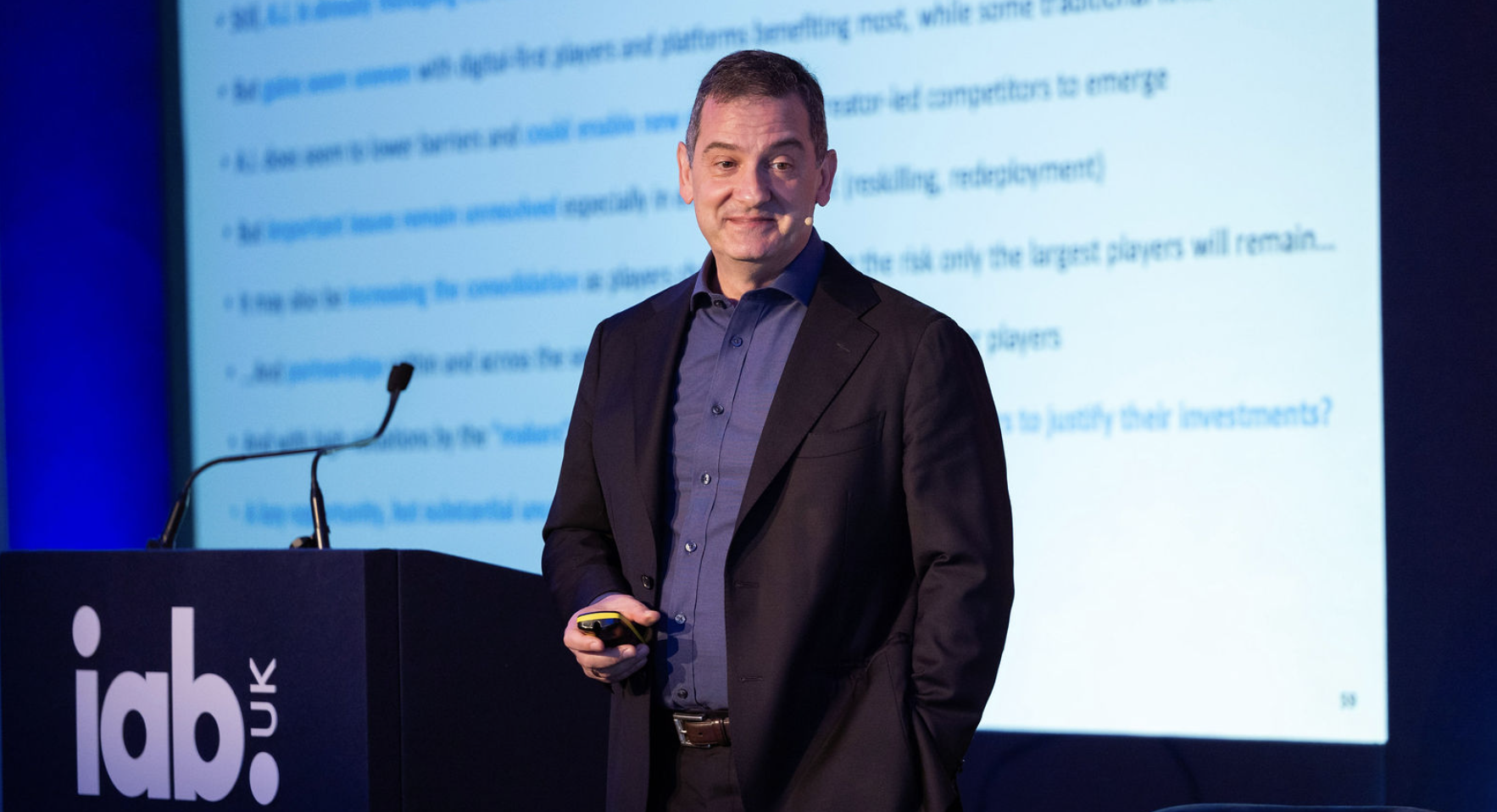
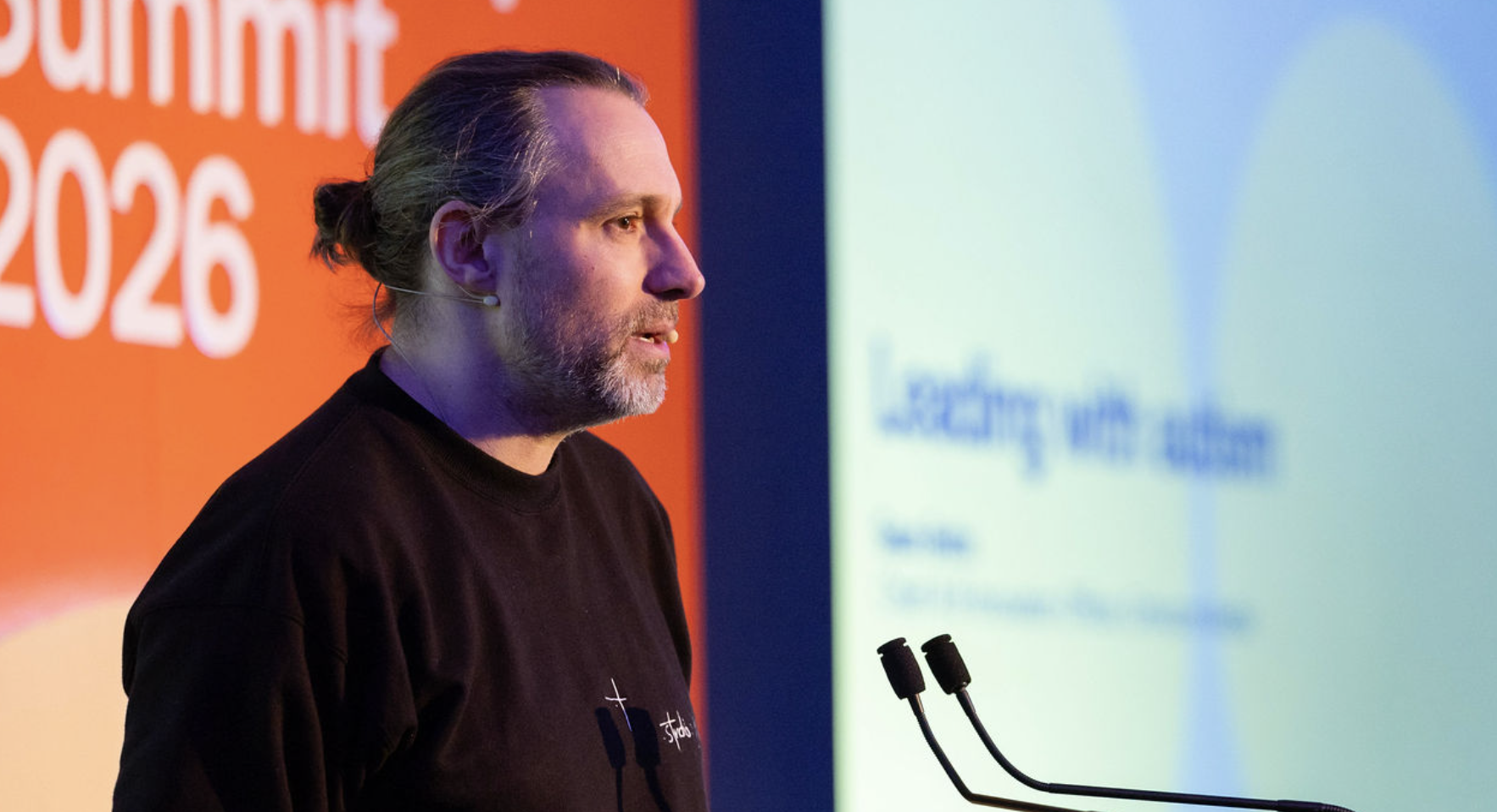
In Leading with Autism, Sean Betts, Chief AI & Innovation Officer at Omnicom Media Group UK, reflected on the experience of leadership as an autistic professional. He spoke about the strain of masking and the challenge of navigating invisible workplace rules, making the point that autism at work is not a story of deficit, but often one of mismatch. His practical message was simple and powerful: clearer expectations, clearer objectives and fewer unspoken assumptions benefit everyone.
Later, Elj Abid, Director, Business Development EMEA at The Trade Desk, shared his story in Leading with a visible difference, reflecting on his journey with vitiligo and what it took to stop hiding part of himself at work. His message centred on authenticity, vulnerability and the importance of creating workplaces where people do not feel they need to hide in order to succeed.
Together, the sessions reinforced a wider takeaway from the day: inclusive leadership is not about abstract values, but about how environments are designed and how safe people feel within them.
Happiness, accountability and the future of work
That human perspective continued in Matt Phelan’s session on workplace happiness. Drawing on large-scale employee data, he challenged the idea that leaders can simply “make” employees happy. Instead, he argued that leaders create the conditions in which people can thrive, through psychological safety, recognition, strong relationships and the freedom to take opportunities.
His distinction between happiness and engagement struck a chord: people may feel one without the other, and both matter.
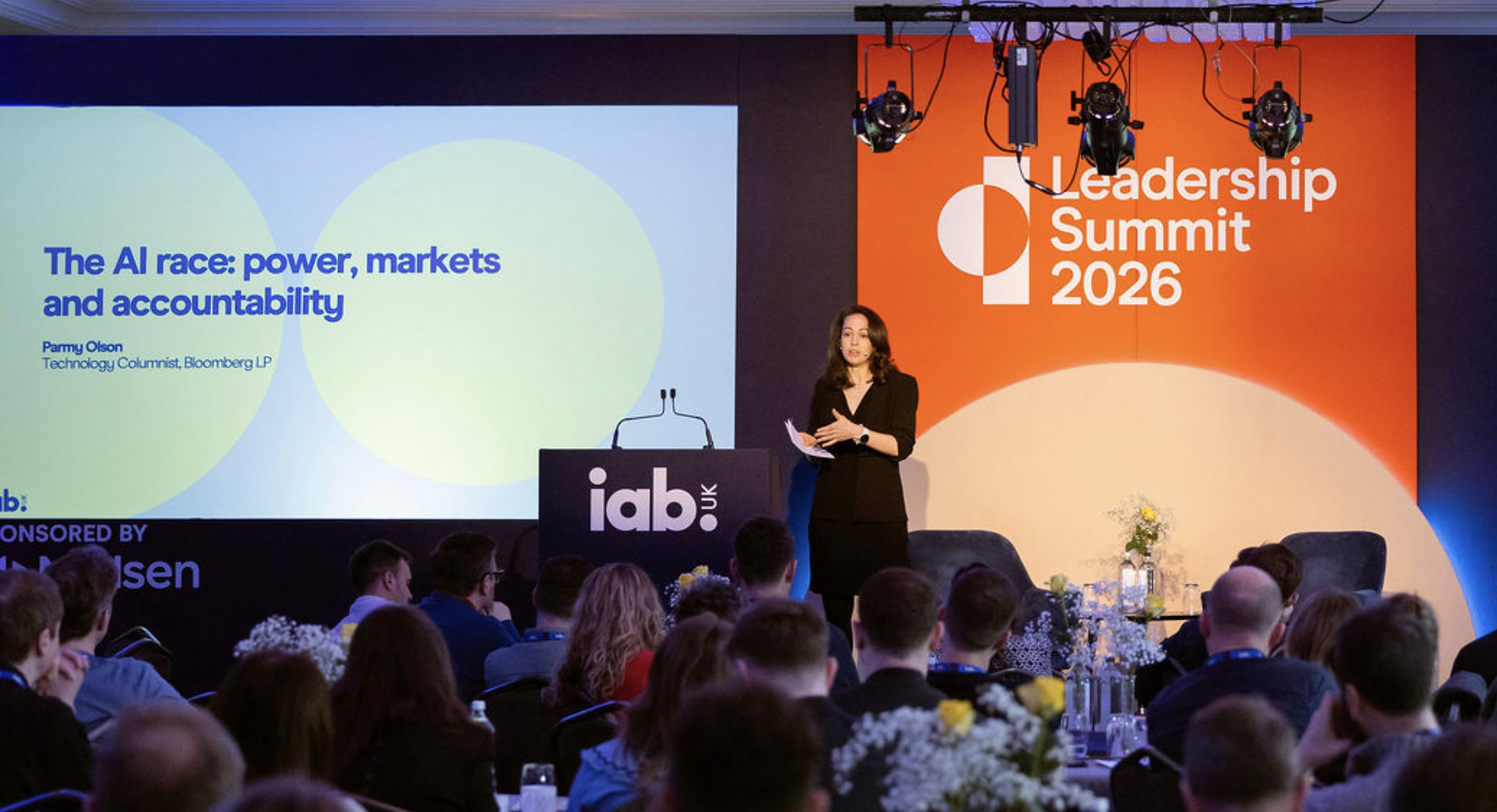
That focus on people and responsibility carried into Parmy Olson’s session on the AI race: power, markets and accountability. Olson explored the growing concentration of power among major AI players, the uncertainty around jobs and the need for transparency as the technology develops. Her argument was not anti-innovation, but pro-scrutiny: if AI is going to reshape work and markets, leaders need to think seriously about who benefits, who is protected and how the transition is managed.
Transformation, journalism and what comes next
The afternoon widened the lens further.
In a session on The Coca-Cola Company’s three-year marketing transformation, Nick Buckley explored how the business has evolved its structure, agency model and measurement approach, shifting from a focus on perception alone to a stronger connection with consumption, while putting digital, creators, experiences and data at the centre of how the brand shows up.
The session on Westminster, Washington & the World then turned to politics and global affairs, with The News Movement's Rebecca Hutson and Times Radio's Kate McCann unpacking the instability shaping the UK and international picture. A recurring point was that many leaders are operating against a backdrop where old assumptions no longer hold and where institutions, alliances and public expectations all feel more fragile.
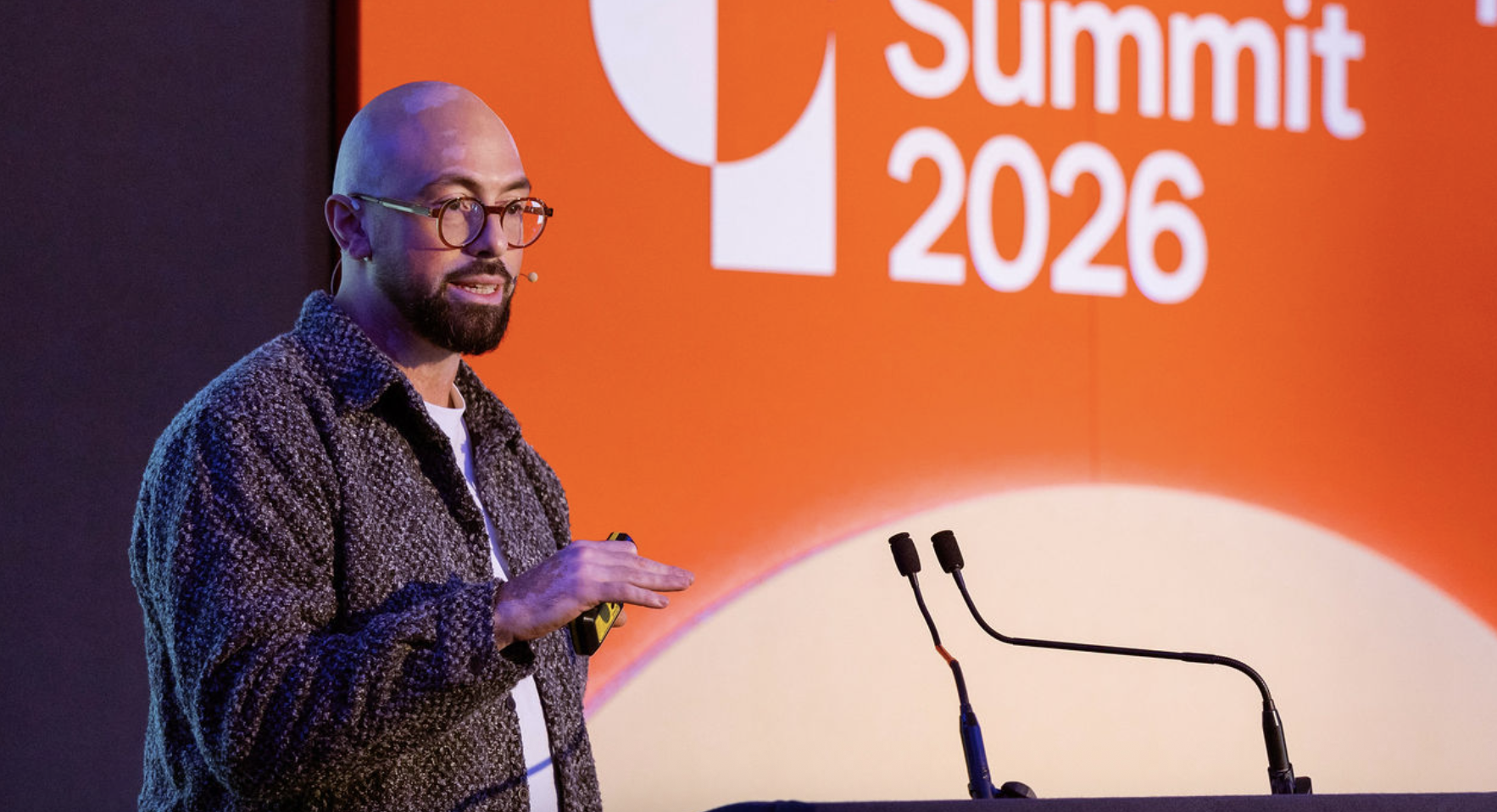
That sense of change fed naturally into Jim Waterson’s session on the future of mainstream media. Reflecting on his move from established titles to founding London Centric, he argued that the shift towards personality-led media is no longer emerging, it has already happened. People increasingly trust people more than institutions, and the relationship between reach, trust and revenue is changing fast.
Perspective, performance and honesty
The day closed with two very different but complementary sessions.
In Leading through bereavement, Jane McNeill, COO at IAB UK, offered an honest reflection on how grief changes perspective, performance and leadership. Her session was a reminder that vulnerability and compassion are not weaknesses in leadership, but often sources of strength.
Finally, Tom Standage, Editor at The Economist, set out the major global trends to watch in 2026, from geopolitics and economic pressure to AI, climate and global conflict, before Ugo Monye, in conversation with Ellie Collins, closed the day with reflections on elite performance, culture and the value of direct, honest feedback.
If there was a thread connecting the whole day, it was this: the world may be becoming more complex, but that only increases the need for leaders who can bring clarity, honesty and humanity to what comes next.
Day 2
Following a packed first day, the second morning at Sopwell House focused on the real-world challenges leaders are navigating today. Speakers shared perspectives on brand building, fraud prevention, workplace culture, AI and resilience, offering practical insight into how leadership is evolving across the industry.
Building a values-led brand
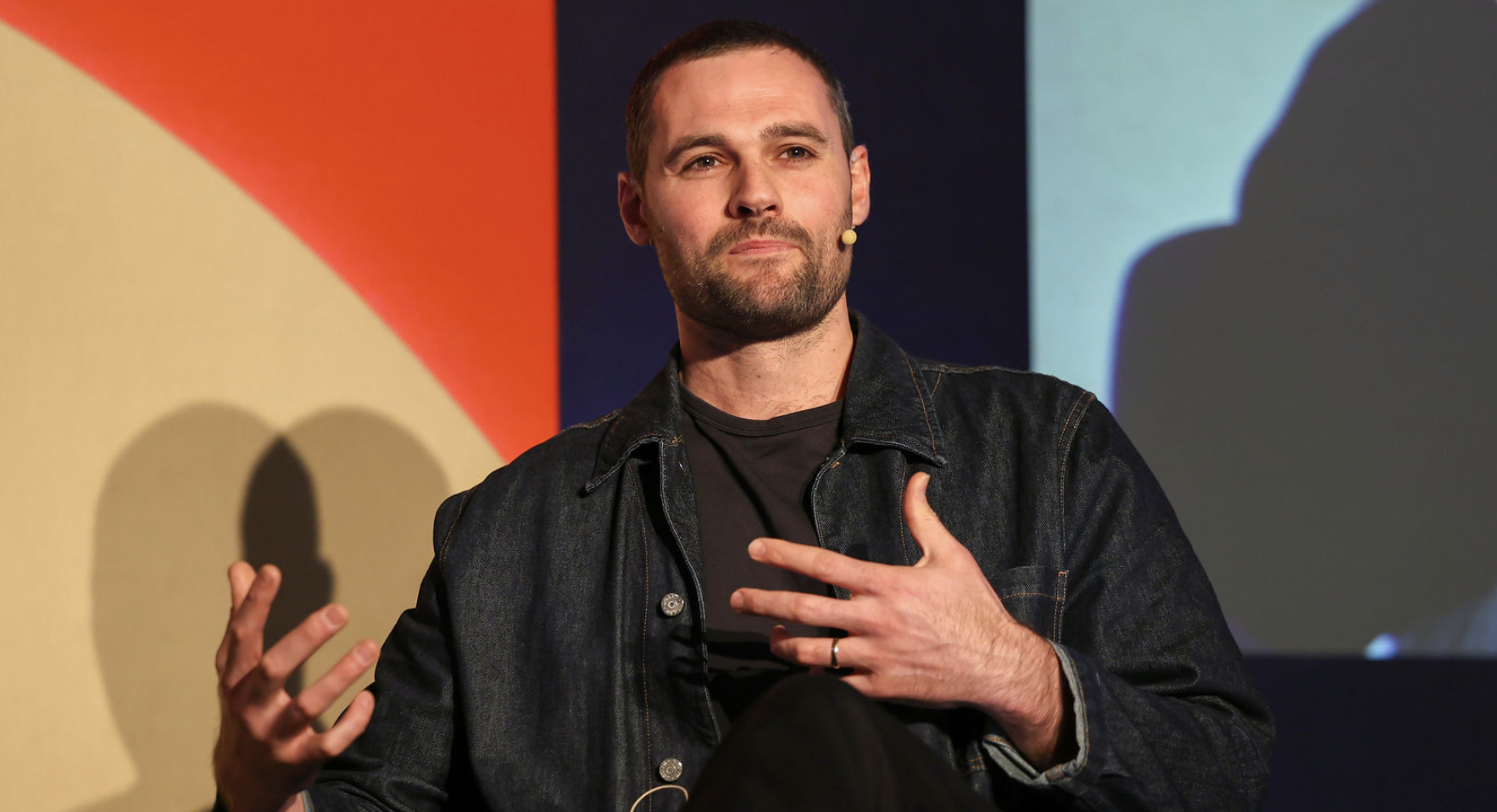
The morning opened with a conversation between Ed Vickers, founder of SUMS, and IAB UK’s James Chandler on building a brand with purpose in a crowded market.
A long-time runner, Vickers created SUMS after realising he didn’t feel connected to the culture surrounding the sport. What began as a university sock business has grown into a brand rooted in community and loyalty.
Rather than expanding quickly, SUMS focused on perfecting one product. The team spent nearly two years developing its socks, leaning into discipline in a category often treated as a commodity. Community sits at the heart of the brand, with events and initiatives designed to connect runners both online and offline.
For Vickers, success is about becoming runners’ “trusted pair”. Paid media helps bring new people in, but the real work begins after the first purchase, building lasting relationships with the community. Sometimes recognition arrives unexpectedly too, as when Harry Styles was spotted wearing the brand’s socks organically.
Protecting trust in advertising
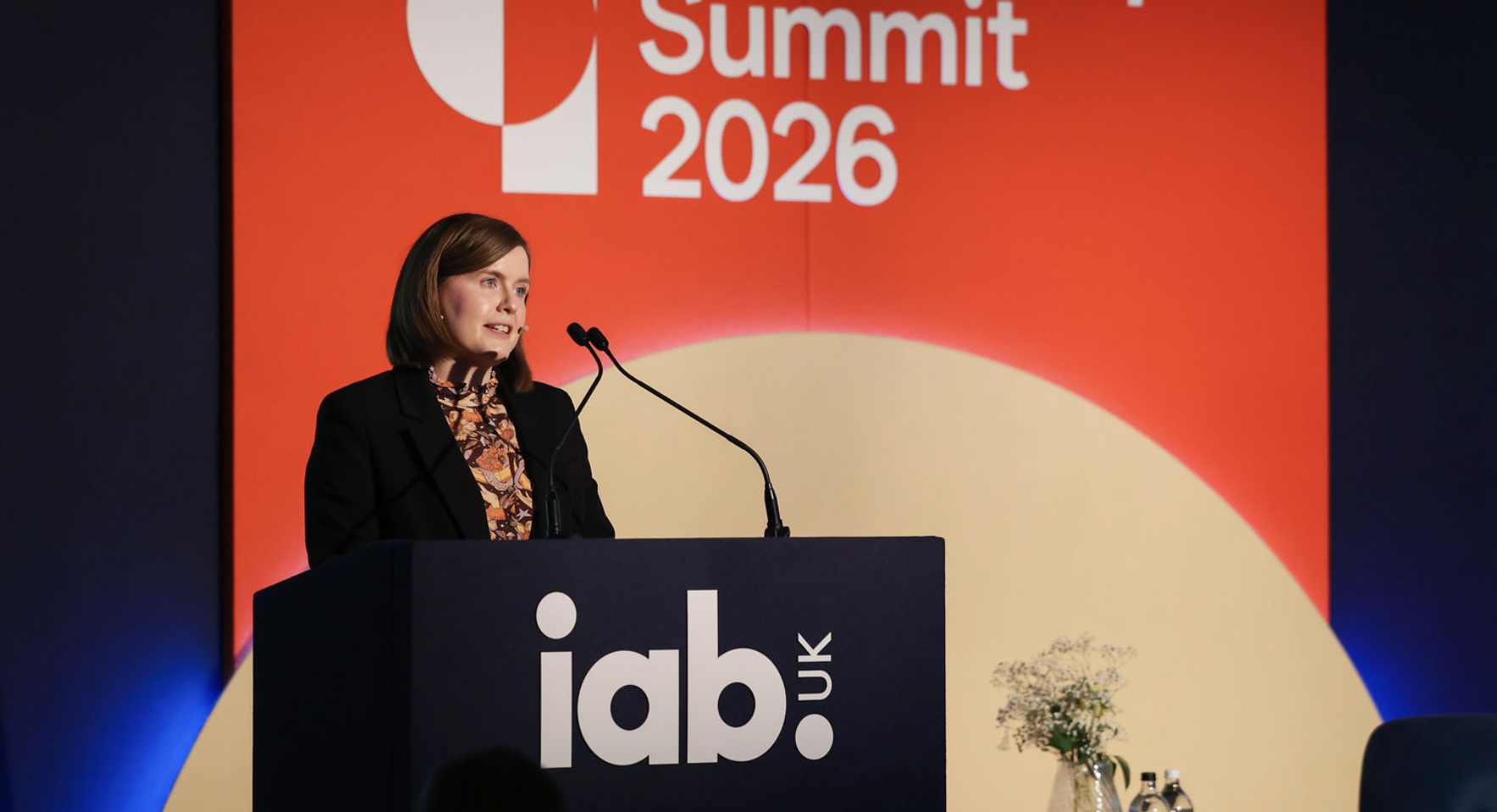
Trust was also the focus of the next session, which explored the growing issue of fraud within the digital advertising ecosystem.
Industry leaders and government representatives discussed how fraudulent advertising damages both consumers and the credibility of the sector. When people struggle to distinguish legitimate ads from malicious ones, trust in the wider advertising market is weakened.
The UK Government emphasised the importance of collaboration through the Online Advertising Taskforce, which aims to strengthen standards and tackle fraud across the supply chain. With fraud now representing a large share of overall crime, cooperation between industry and policymakers will be critical in protecting both consumers and the long-term health of the market.
Leading with empathy
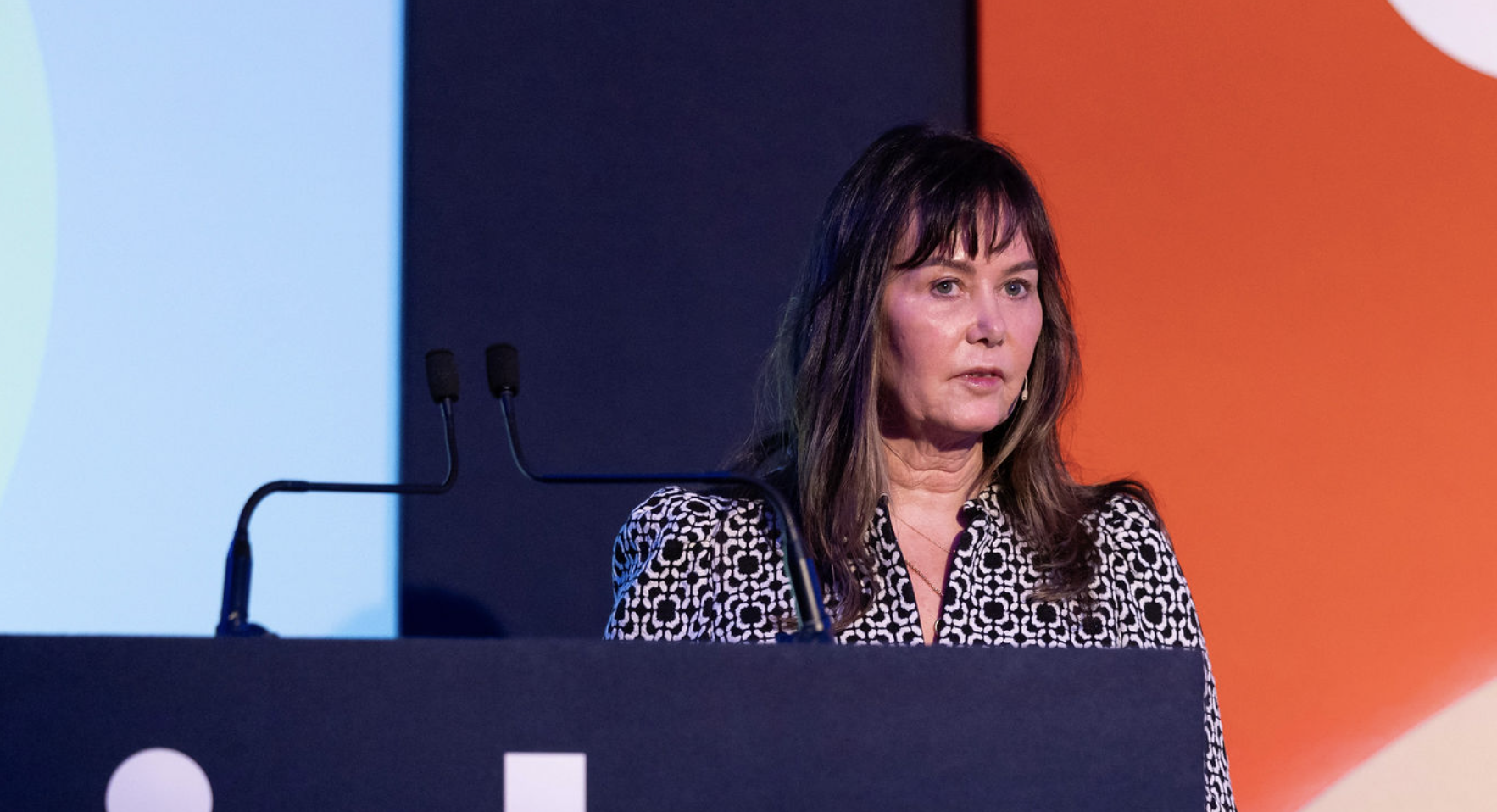
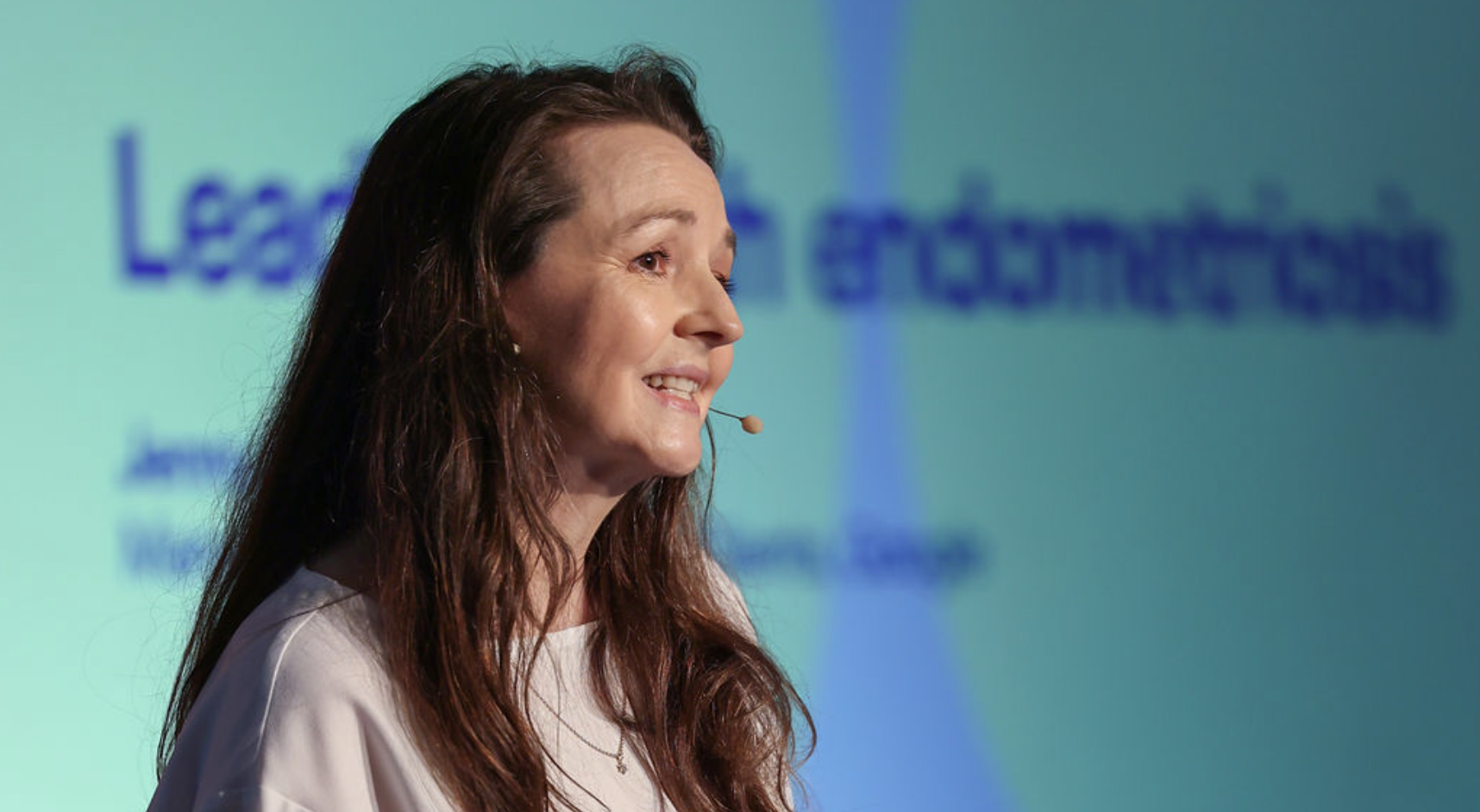
Jenny Bullis then shared a powerful perspective on leadership through the lens of living with endometriosis.
The condition affects around one in ten women, yet many people feel unable to speak openly about it in the workplace. Bullis explained that when employees feel they must hide their physical realities to protect their professional reputation, organisations lose valuable talent.
Despite progress in areas such as menopause awareness, menstrual health remains under-addressed in many workplaces. Bullis called on leaders to create cultures rooted in empathy and flexibility, where employees feel supported rather than silenced.
Rethinking talent in the age of AI
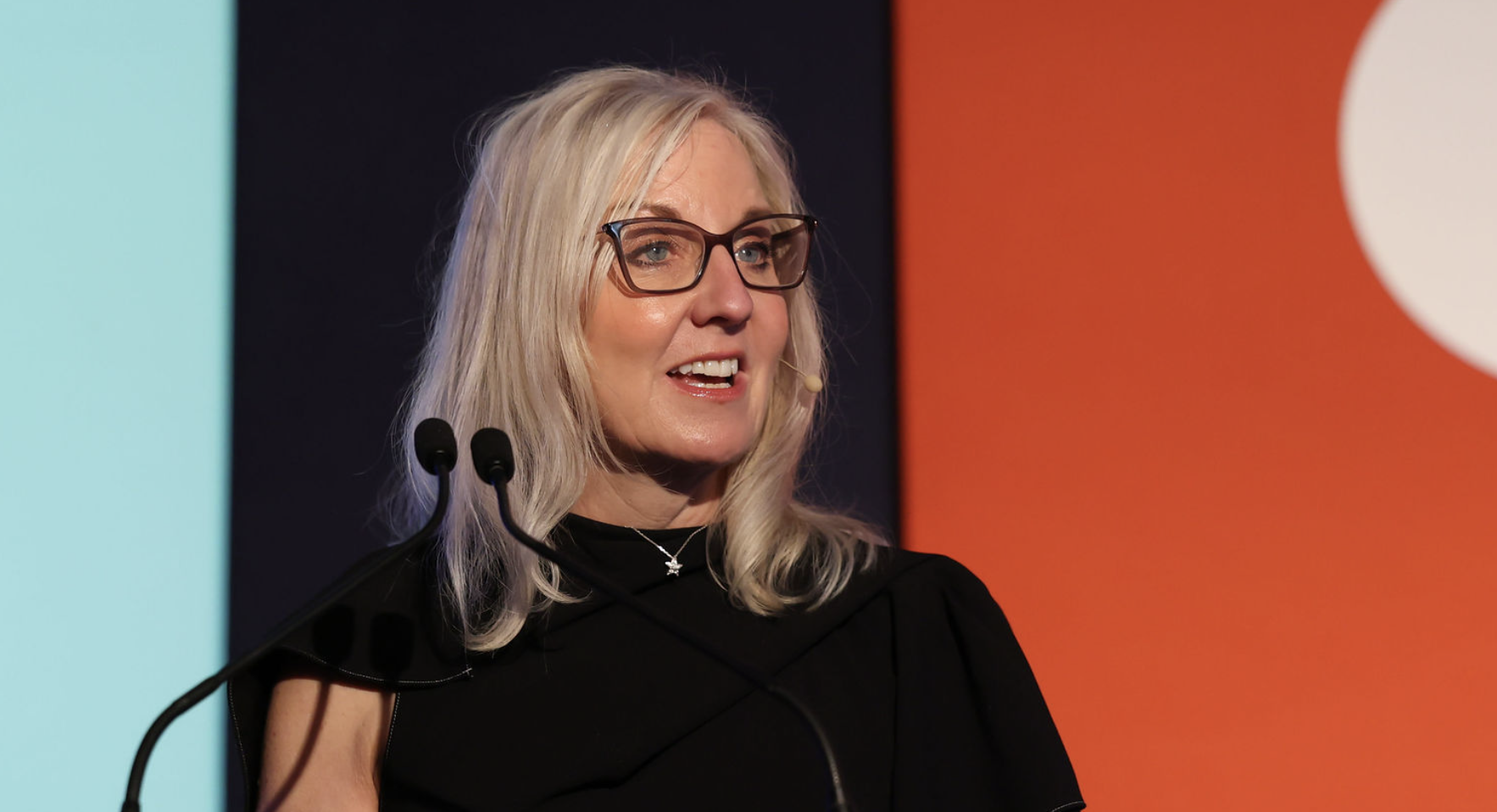
AI was another key theme of the morning, with speakers exploring how it is already reshaping the workplace.
As automation takes over more cognitive tasks, organisations are beginning to see shifts in role structures. Entry-level roles are compressing, mid-level positions are evolving, and senior leadership responsibilities are changing.
While AI is transforming execution, human judgement is becoming more valuable than ever. Skills such as strategic thinking, creative direction and ethical oversight will continue to differentiate organisations as technology advances.
Community and authenticity
Another session explored how strong communities are built around belonging and authenticity.
Drawing on Reddit’s experience, the speaker highlighted how online communities thrive when people feel safe to participate and express themselves. The same principles apply to leadership: trust grows when leaders are authentic and human rather than striving for perfection.
Ultimately, people follow people they trust.
Confronting toxic leadership
Kathleen Saxton then addressed the reality of toxic leadership within organisations.
Her research shows that certain personality traits, sometimes referred to as the “dark triad” of narcissism, Machiavellianism and psychopathy, can appear in leadership roles and create environments that harm culture and wellbeing.
Saxton encouraged individuals to recognise these dynamics and protect themselves where necessary, whether that means setting boundaries, gathering support or escalating issues. Waiting for fairness alone, she warned, rarely leads to change.
Winning against the odds
The summit closed with an inspiring session from double Olympic skeleton champion Lizzy Yarnold.
Reflecting on her journey to Olympic success, Yarnold spoke candidly about the setbacks and uncertainty behind the medals, from discovering an unconventional sport to nearly missing Olympic selection despite being the reigning champion.
Her story served as a reminder that success rarely follows a straight line. Resilience, learning and persistence are often the qualities that make the difference when the pressure is highest.
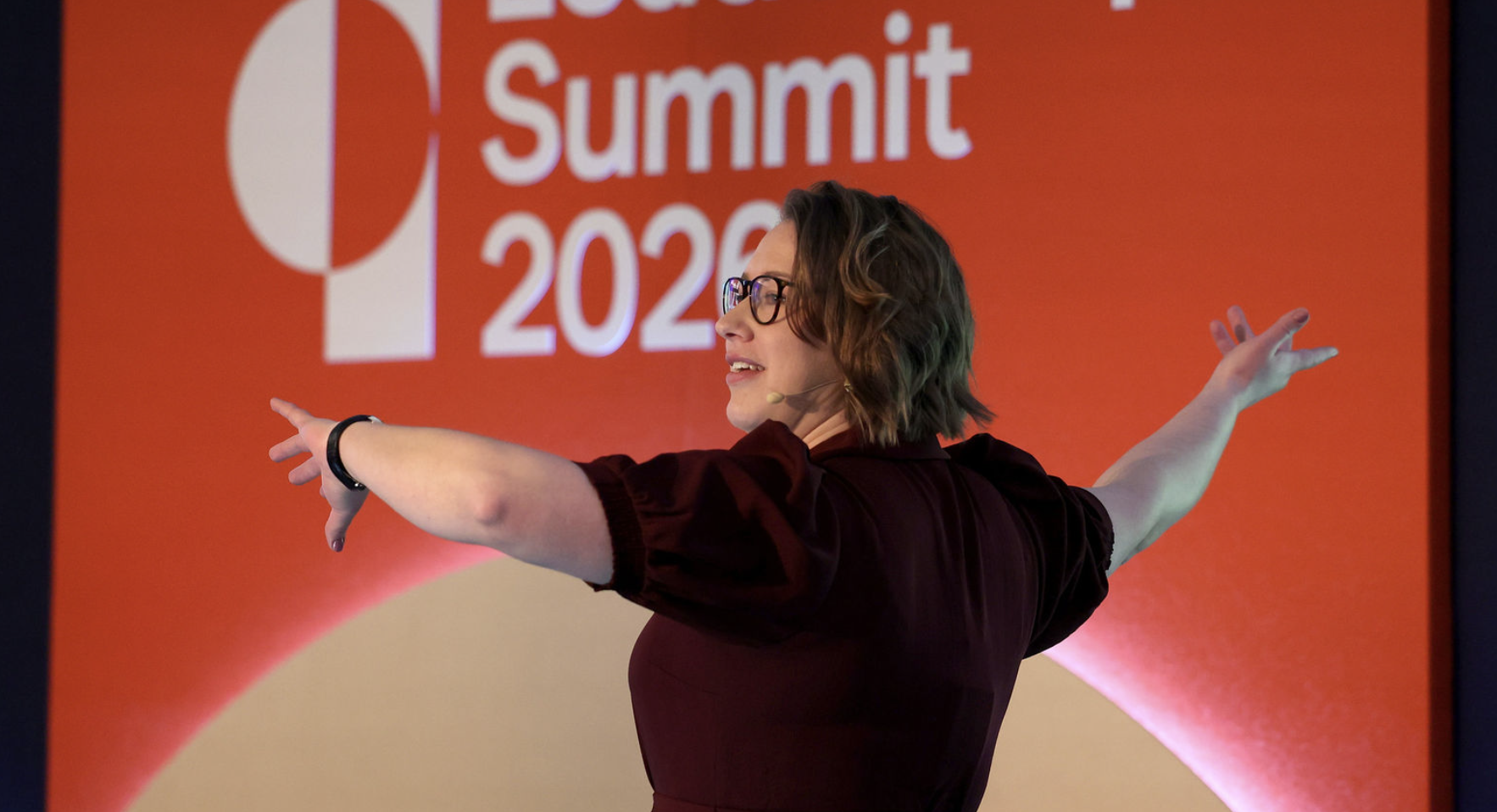
As the event wrapped up, the conversations left plenty for attendees to reflect on, and set the stage for even more discussion and insight when the Leadership Summit returns next year.
Related content
The glass wall: why CTV transparency is the next frontier for advertising intelligence
Learn more
IAB UK bids farewell to flagship Mobile Engage event
Learn more
IAB UK Leadership Summit 2020: Day Two
Learn more
Is it really the best of times and the worst of times for advertising?
Learn more
State of AI in Advertising: Charting the Shift from Automation to Autonomy
Explore how AI is reshaping advertising, from autonomous systems to changing consumer discovery, with key findings, deeper analysis and latest industry commentary in this report